
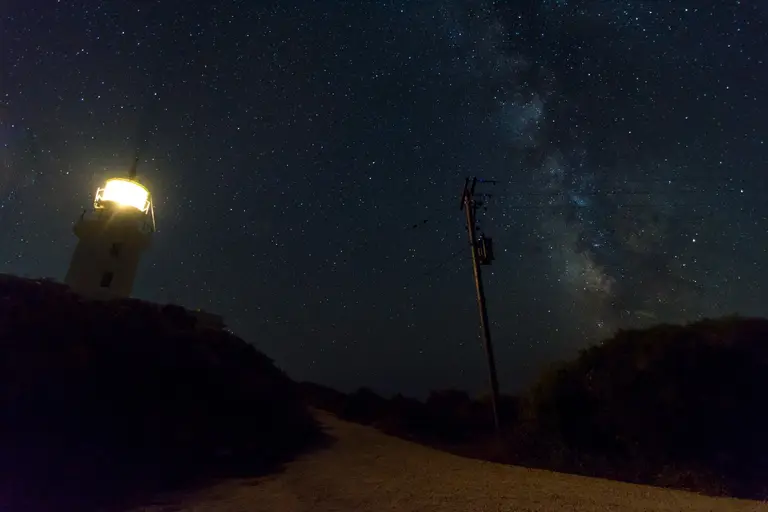
When was the last time you really looked at the night sky?
On Othoni, the night feels different. With almost no light pollution, the sky opens up in a way that is hard to find elsewhere. The stars are brighter, the Milky Way is clearly visible, and the silence makes the experience even stronger.
On an island where nightlife is minimal, this becomes its own kind of evening activity.
For many of us who spend our summers here, watching the night sky is part of our routine. We drive or walk to quiet, dark spots, lie back, and look up. There is no plan, no rush. On some nights, especially when a Stellar phenomenon is happening in the sky, we stay for hours.
Summer Nights
During the summer, the sky becomes even more active.
At the end of July, the Delta Aquariids begin to appear. Soon after, in August, the Perseids follow, the most well-known and impressive meteor shower of the year. On peak nights, dozens of shooting stars can be seen every hour.
There are also quieter events, like the Alpha Capricornids, known for fewer but brighter meteors, and occasional lunar eclipses, when the moon turns a deep red.
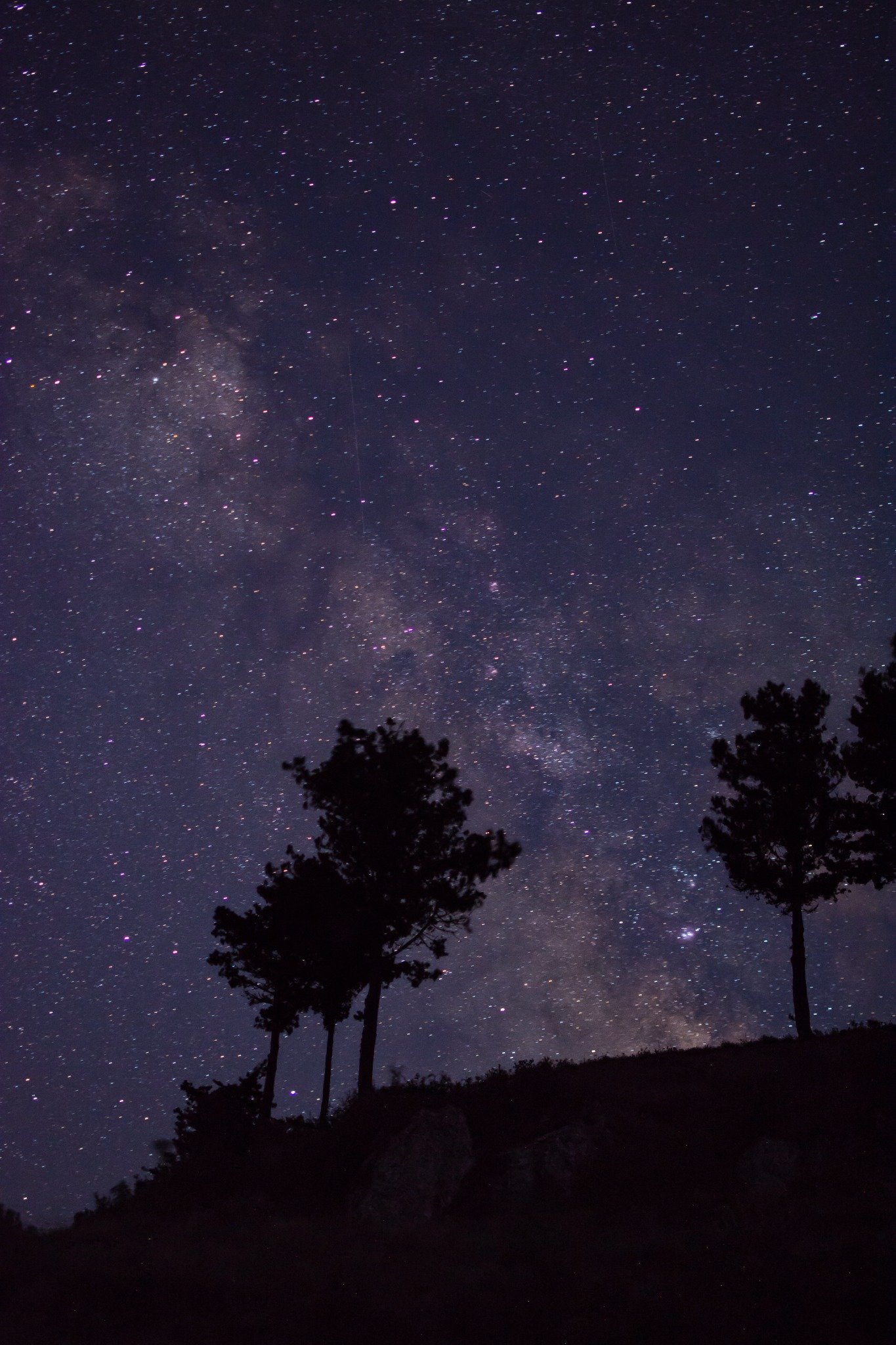
(picture by: Spyros Rapsomanikis)
When to Look Up
- Perseids (mid-July – late August)
Peak around 11–13 August, with up to 100 meteors per hour. - Delta Aquariids (mid-July – mid-August)
Peak at the end of July, softer but steady. - Alpha Capricornids (July – early August)
Fewer meteors, but brighter and more striking. - Lunar Eclipses
Not every year in summer, but memorable when they occur. - New Moon Nights
The darkest nights, and the best time to see the Milky Way clearly.
You don’t need equipment, experience, or a plan. Just a dark spot, a clear sky, and a little time. On Othoni, this is enough.
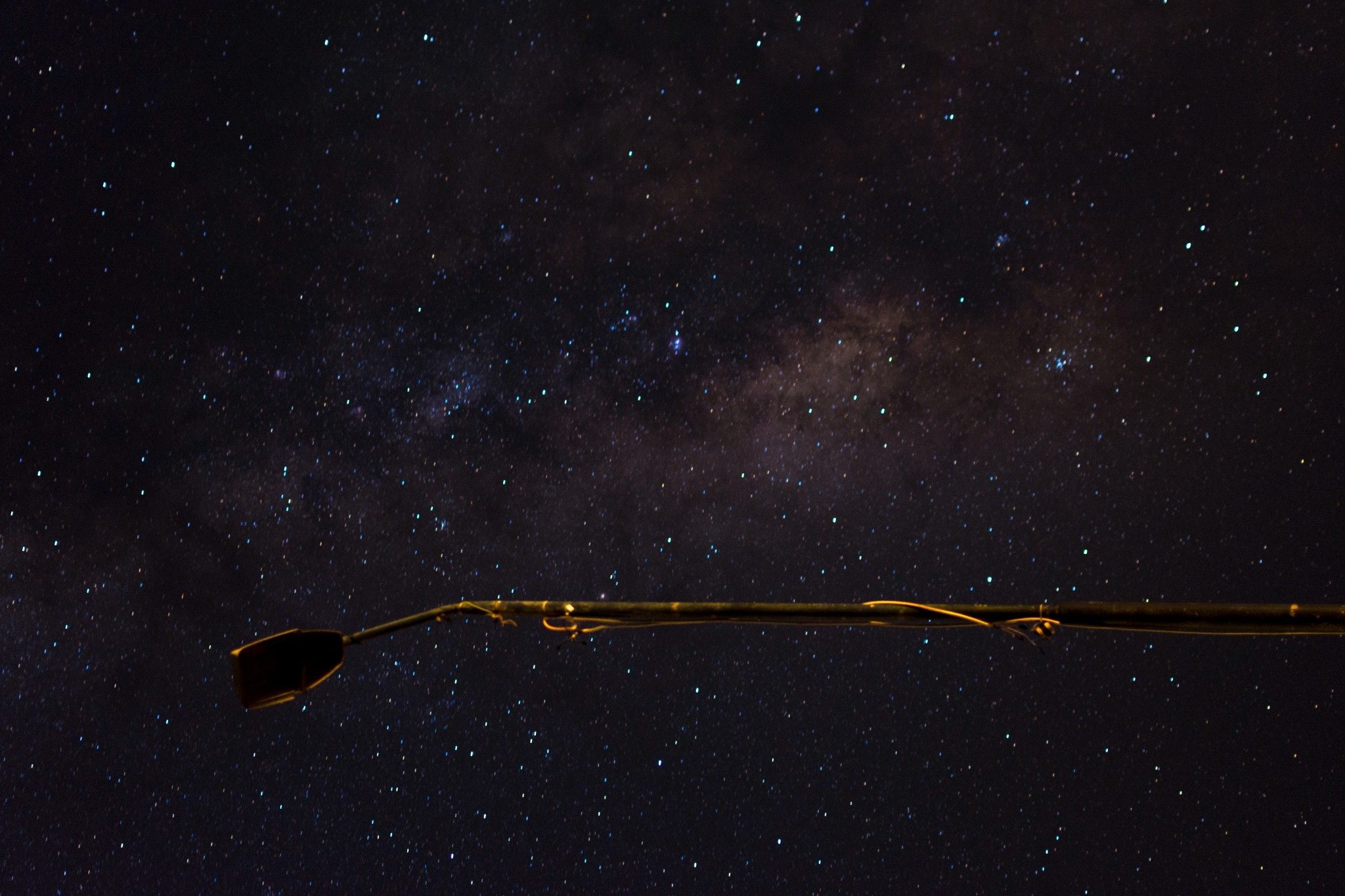
(Picture by: Spyros Rapsomanikis)