
L’ISOLA
Othoni è piccola, remota e autentica
All'estremità più occidentale della Grecia, Othoni rimane un’isola plasmata dal mare, dall’emigrazione e dalle storie della sua gente. Tra spiagge tranquille e antichi sentieri, la vita continua a scorrere con un ritmo più lento e più umano.
Benvenuti nel punto più occidentale della Grecia.
Circondata dal Mar Ionio, Othoni fa parte delle Isole Diapontiane insieme a Mathraki ed Erikousa. L’isola si trova a sole 12 miglia nautiche a nord-ovest di Corfù. Gran parte del territorio è montuoso e coperto da vegetazione fitta, con panorami ampi e suggestivi. Le spiagge hanno acque cristalline e molte sono raggiungibili soprattutto via mare.
Se vuoi i dettagli — le spiagge, il faro, la grotta di Calipso — abbiamo raccolto l'isola, luogo per luogo.
Un luogo piccolo con una storia ricca.
La storia di Othoni risale ai tempi omerici. Si ritiene che qui si trovasse la dimora della ninfa Calipso. Nei secoli gli abitanti divennero abili marinai, affrontando incursioni piratesche e periodi di dominazione veneziana, francese e britannica, fino all’unione con la Grecia nel 1864. Gli antenati degli attuali residenti provenivano in gran parte da Paxos e da zone costiere della Grecia continentale, come Parga, a partire dal XVI secolo.
Nel XIX secolo molte famiglie possedevano un veliero o lavoravano in mare, mentre la coltivazione dell’olivo e la pesca completavano la vita sull’isola. Verso la fine di quel secolo iniziò una forte emigrazione verso gli Stati Uniti. Nel corso del XX secolo la popolazione diminuì gradualmente, con molti uomini impiegati sulle navi o all’estero, lasciando l’isola principalmente a donne, bambini e, più tardi. Oggi l'isola ha pochi residenti permanenti.
L’isola in numeri.
Insediamenti principali
Chiese
Caffè, ristoranti e mercati
Miglia nautiche da Corfù Nord
Othoni è più di un luogo: è un'esperienza
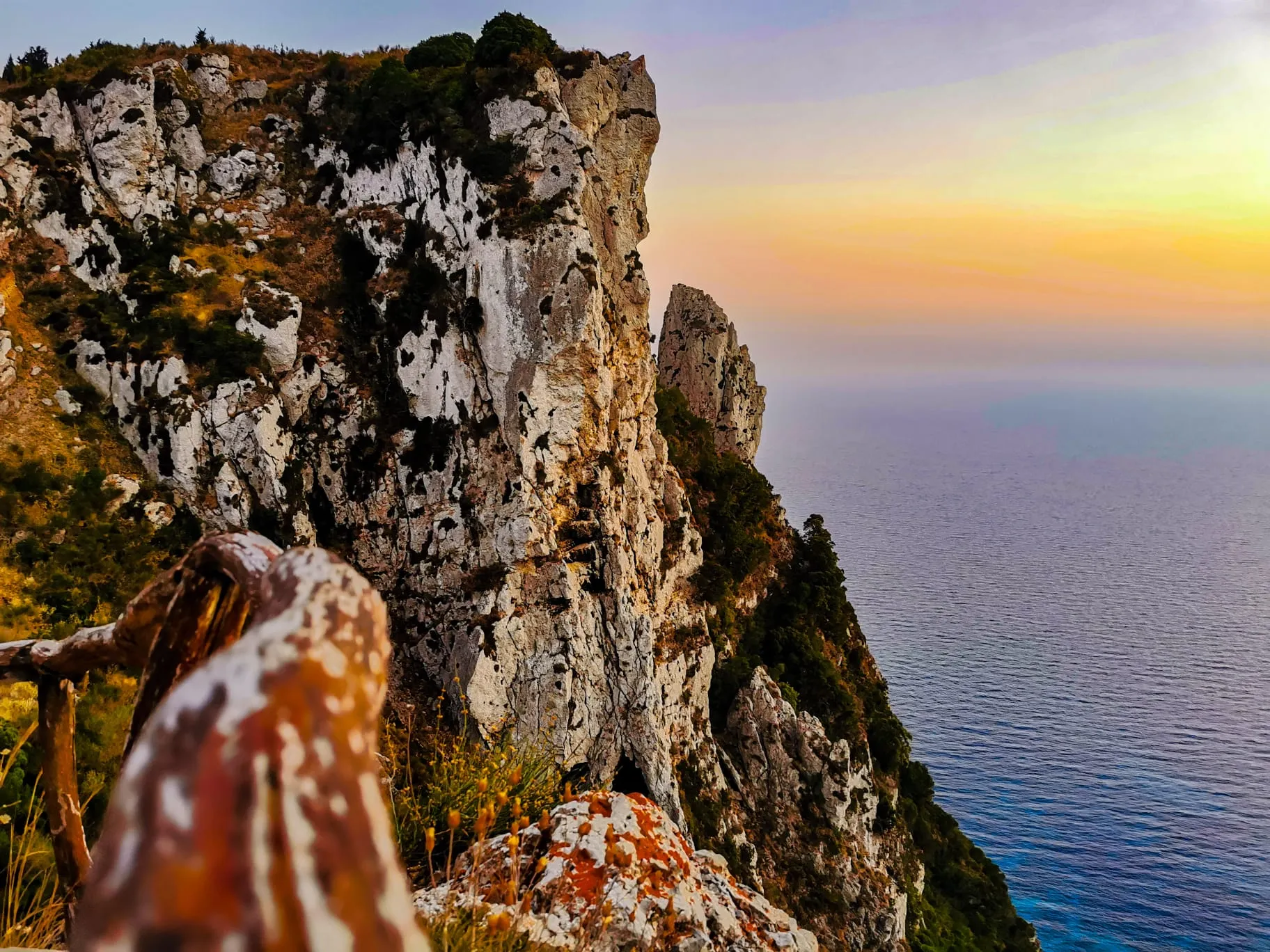
Con la sua natura intatta, Othoni è una vera fuga. Qui si cammina lungo sentieri antichi, si gode della tranquillità di spiagge silenziose, si osservano tramonti spettacolari dalle scogliere e si visita la grotta di una ninfa leggendaria.
Dal momento dell’arrivo, il tempo sembra rallentare. Ci si allontana dal ritmo veloce della vita quotidiana e si riscopre la semplicità. Qui la vita lenta non è una moda, ma una realtà.
In poco tempo ci si ritrova a parlare con gli abitanti che condividono storie del passato. Qualcuno può invitarti a casa per assaggiare una torta di patate tradizionale, proporti un giro in barca verso Aspri Ammos o coinvolgerti in una serata estiva spontanea con musica e amici di diverse nazionalità. Questa piccola comunità è naturale e accogliente.
Per questo Othonii resta nel cuore.
Una volta visitata, non la si dimentica.
La vita sull’isola oggi
Villaggi e popolazione
Othoni ha una piccola popolazione permanente, che aumenta durante l’estate. La vita quotidiana ruota intorno al porto, ai caffè e alle taverne.
Natura e camminate
L’isola si esplora meglio a piedi. Sentieri semplici collegano villaggi, punti panoramici e spiagge, compresi i percorsi verso il faro e le calette più isolate.
Spiagge e mare
Le spiagge sono naturali e poco organizzate. Aspri Ammos è la più conosciuta, ma molte altre restano tranquille, soprattutto fuori dall’alta stagione.
Cosa Othoni non è
Non ci sono resort, né vita notturna intensa, né grandi infrastrutture. I negozi sono pochi, i servizi essenziali e i programmi dipendono spesso dal meteo e dagli orari dei traghetti.
Qui la pianificazione è importante
Orari dei traghetti, stagionalità e piccoli dettagli fanno la differenza quando si visita un’isola come Othoni.
Orari e informazioni